





A new client doesn’t sign with an accounting firm because a landing page convinced them. They sign because someone they trust vouched for the firm, or because the firm showed…
Table of contents
A traveler views 141 pages of travel content in the 45 days before booking, and as many as 277 pages in the US. That’s the reality behind lead generation for travel companies, where the gap between a quote request and a confirmed booking stretches across weeks.
Tour operators, agencies, and hotels all fight the same battle. OTAs outspend them, buying journeys run long, and slow inquiry response bleeds qualified leads.
This guide breaks down the whole system with real benchmarks, not guesswork.
You’ll learn how the travel sales funnel works, which channels drive the most inquiries, what leads actually cost, and how to capture, score, and nurture them into bookings.
What Is Lead Generation for Travel Companies?
Lead generation for travel companies is the process of capturing contact details and booking intent from people planning trips, then moving them toward a confirmed sale.
A travel lead is anyone who signals interest before they buy. Quote request, itinerary download, trip inquiry, newsletter signup tied to a destination.
The gap between a lead and a booking is wide in this business. Someone downloading a Kyoto guide today might not book for two months.
Who runs travel lead generation:
- Tour operators and travel agencies selling packaged trips
- DMCs (destination management companies) handling on-the-ground logistics
- Hotels, cruise lines, and luxury or bespoke travel planners
Intent in travel runs on aspiration, not urgency. Nobody needs a safari the way they need a plumber. That changes how leads behave.
Expedia Group’s Path to Purchase research, conducted with Luth Research across seven countries, found the average trip consideration window runs 71 days, split across 33 days of inspiration and 38 days of research and planning. A travel lead sits in your pipeline far longer than a lead in most other industries.
How Does the Travel Lead Generation Funnel Work?
The travel lead generation funnel moves a prospect through 4 stages: inspiration, research and comparison, inquiry, and booking decision. Each stage needs different content and a different capture method, because travelers rarely buy on the first visit.
Leads leak at every handoff. Abandoned quote forms, unanswered inquiries, and OTA redirects pull people out before they book.
The page-count data says it all. Travelers view an average of 141 pages of travel content in the 45 days before booking, spread across OTAs, search engines, social platforms, and supplier sites. Research is thin early on, around 2.5 page views a day, then spikes to roughly 25 page views on the day of purchase. Your funnel has to survive dozens of touches, not one.
Inspiration and Discovery Stage
Where it starts: social media, destination guides, and word of mouth.
Expedia’s research ranks the top five resources travelers use in the 45 days before purchase: OTAs (80%), search engines (61%), social media (58%), airline websites (54%), and meta travel sites (51%). Most travelers don’t have a destination locked. Nearly three in five either had no specific place in mind or were weighing several when they decided to take a trip.
Micro-conversions matter here. A newsletter signup or a saved itinerary counts as a lead even though a sale is weeks away.
Inquiry and Quote Stage
This is where a browser becomes an identifiable lead.
The prospect fills out a quote request, opens a chat, or sends a WhatsApp message. Now you have a name, an email, and rough trip details.
Response speed decides the outcome. The Lead Response Management study by Dr. James Oldroyd at MIT Sloan with InsideSales.com analyzed more than 15,000 leads and 100,000 call attempts. Contacting a lead 5 minutes after submission rather than 30 minutes made teams 100x more likely to connect and 21x more likely to qualify that lead. Travel inquiries decay fast.
Booking Decision Stage
Price, trust, and timing collide at the end.
High-ticket trips stretch this stage out. A $12,000 bespoke honeymoon gets more scrutiny than a weekend city break, so the nurture has to keep working across the 73-day average gap Expedia measured between booking and travel.
| Customer Journey Stage | Typical Lead Signal | Primary Channel |
|---|---|---|
| Inspiration | Social follow, content save, newsletter signup | Social media, content marketing |
| Research | Guide or ebook download, repeat website visits | Organic search (SEO), email marketing |
| Inquiry | Quote request, contact form submission, live chat, WhatsApp message | Website forms, live chat, WhatsApp |
| Decision | Deposit paid, booking completed, contract signed | Sales representative, direct communication |
Which Channels Generate the Most Travel Leads?
Organic search, paid ads, and social platforms drive the bulk of travel leads, with referral and repeat-guest traffic delivering the highest-quality inquiries. Channel mix depends on trip value and booking window, not a single best answer.
Ruler Analytics puts travel’s organic search conversion rate at 8.5% in its cross-industry benchmark set, above most sectors. Search is doing heavy lifting for travel brands.
Organic Search and Content
Destination guides and “best time to visit” pages pull in early-funnel leads.
These pages catch people in the 38-day research and planning phase. Someone searching “things to do in Lisbon” isn’t ready to book, but they’ll trade an email for a detailed itinerary.
Content works because it maps to how travelers actually plan. An average traveler consumes 303 minutes, just over five hours, of travel content across 141 pages in the 45 days before booking.
Paid Search and Social Ads
Google Ads: travel CPCs run low. WordStream’s latest search advertising benchmarks, drawn from more than 13,000 campaigns running April 2025 to March 2026, put Travel at $2.14 per click, one of the three cheapest industries alongside Arts and Entertainment ($1.63) and Restaurants and Food ($2.05).
Meta: travel and hospitality clicks have historically been among the cheapest on the platform.
Pinterest: built for inspiration-stage planning, where people save trip ideas months out.
On cost per lead, WordStream’s all-industry average across Google and Microsoft Ads is $66.69, while agency benchmarks for travel and hospitality typically land between $55 and $99. Use those as a starting hypothesis and replace them with your own numbers as fast as you can, because the spread inside travel is enormous.
Social Media and Video Platforms
Instagram, TikTok, and YouTube run the inspiration stage now.
Social sits as the third most-used resource on the path to a travel purchase at 58%, behind OTAs and search engines. Phocuswright research found that nearly two-thirds of travelers who use social media for trip planning go on to make a booking decision based on the content they see there.
The lines are blurring fast. TikTok and Booking.com launched a US pilot in August 2025 that let users book hotels featured in creator videos. That has since expanded: in May 2026 TikTok rolled out TikTok GO in the US, with in-app hotel and experience booking through six launch partners including Booking.com, Expedia, Viator, GetYourGuide, Tiqets, and Trip.com. Inspiration and purchase now collapse into one screen.
What Is the Average Cost Per Lead in the Travel Industry?
Cost per lead in travel typically runs between $55 and $99 through Google Ads, against an all-industry average of $66.69. Cost swings hard with season, segment, and lead quality.
| Metric | Benchmark | Source |
|---|---|---|
| Google Ads CPC (Travel) | $2.14 | WordStream, 13,000+ campaigns, Apr 2025–Mar 2026 |
| Cost per Lead (all industries) | $66.69 | WordStream, Google + Microsoft Ads |
| Cost per Lead (travel range) | $55–$99 | PPC Chief |
| Organic Conversion Rate | 8.5% | Ruler Analytics |
Seasonality hits hard. Q4 bidding gets expensive as holiday competition floods the auction. Peak-season CPCs run above shoulder-season rates for the same keyword.
Luxury leads cost more and convert at higher value. A bespoke travel inquiry might cost triple a budget-trip lead, but one booking covers dozens of cheaper ones.
Cheap leads mean nothing if the site can’t turn them into inquiries. Travel site conversion rates sit in the low single digits, and anything clearing 2% to 3% performs well for a tour or activity operator.
How Do Travel Companies Capture Leads on Their Website?
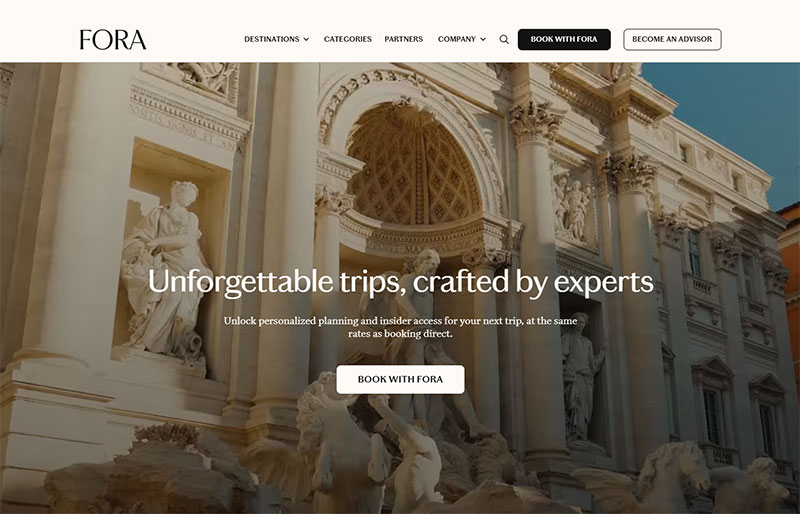
Travel companies capture leads through quote request forms, trip planners, chat widgets, and gated destination guides placed at the moments visitors show intent. The right asset depends on funnel stage, and form friction directly affects how many leads convert.
Direct booking matters more every year, and the share is under pressure. In the tours and activities sector, Arival’s survey of more than 5,000 operators found bookings through operators’ own websites fell from 29% in 2024 to 25% in 2025. Your website is the one channel you fully own, and it’s the one currently losing ground.
Lead Magnets That Work for Travel
Destination guides, sample itineraries, and price-drop alerts pull the most signups.
These work because they match the research phase. Someone weeks from booking wants planning help, not a hard sell. A well-built lead magnet that trades value for contact details fits that mindset.
Trip planners and quizzes do double duty. They capture the email and qualify the lead by asking destination, dates, and budget upfront. Interactive formats like these are covered in guides on using quizzes and interactive forms to capture leads.
Forms, Chat, and Inquiry Widgets
Quote forms: the core capture tool, but every extra field costs completions.
Live chat and chatbots: catch people mid-decision who won’t fill a form.
WhatsApp inquiry: huge for international and luxury travel where buyers want a real conversation.
Form length is the constant tension. More fields mean better-qualified leads and fewer of them. Studying how to design lead capture forms for the travel buyer helps balance qualification against friction. Trust elements lift completion too. ATOL and ABTA badges, real trip photos, and reviews all reduce hesitation at the form.
How Does Content Marketing Generate Travel Leads?
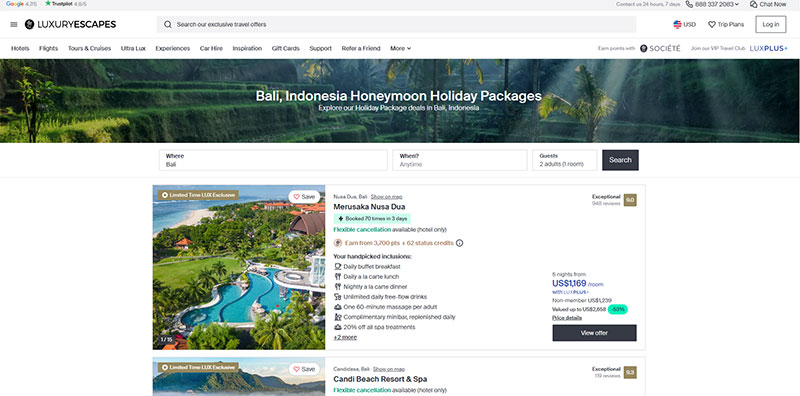
Content marketing generates travel leads by answering planning questions early, capturing emails through gated guides, then nurturing readers until they’re ready to book. It works because travel decisions unfold over weeks of research, not minutes.
The window is real. Travelers spend 303 minutes with travel content across 141 pages in the 45 days before booking. Content that shows up in that stretch earns the lead.
Destination Content as an Entry Point
“Best time to visit” pages, area guides, and itinerary posts are where cold traffic lands.
These rank for the informational queries people type early. The reader isn’t buying yet, so the page’s only job is to help and capture an email in exchange for a deeper resource.
Video and user-generated content amplify the pull. With social media used by 58% of travelers during the pre-booking window, short-form video feeds the top of the funnel and drives inquiries back to the site.
Email Nurture for the Long Booking Cycle
Captured leads rarely book right away, so email carries the middle of the funnel.
A nurture sequence times messages to the booking window: inspiration first, then planning help, then an offer as the decision nears. Travel-sector open rates cluster in the mid-teens to low twenties depending on the provider, though Apple’s Mail Privacy Protection has made open rate a shakier metric than it used to be. Track clicks and replies alongside it.
Segmenting by destination interest sharpens everything. A lead who downloaded a Japan guide gets Japan content, not generic newsletter blasts.
What Role Do Paid Ads Play in Travel Lead Generation?
Paid ads capture high-intent searchers, retarget the long consideration window, and feed inspiration-stage demand through Meta and Pinterest. In travel, retargeting matters more than in almost any other sector because the buying journey stretches across weeks and dozens of visits.
Travel consistently posts one of the strongest search click-through rates of any industry in WordStream’s annual benchmarks, helped by high-intent seasonal queries. The clicks convert and stay cheap relative to legal, dental, or home services.
Search Ads for High-Intent Queries
Bottom-funnel searches like “private tours Japan” or “family safari packages” signal booking readiness.
These queries carry buyers, not browsers. Someone typing “family safari packages” has moved past inspiration and wants a quote, which is why bottom-funnel search usually carries the best return in a travel account.
Retargeting the Consideration Window
This is the piece most travel brands underuse.
With travelers viewing 141 pages of travel content before booking, a single ad impression rarely closes anyone. Retargeting keeps the brand present across the 71-day consideration window, catching the prospect when they’re finally ready.
Common waste: broad targeting with no booking-window retargeting burns budget on people who’ll never book. Narrow the audience, then follow them.
Inspiration-Stage Social Ads
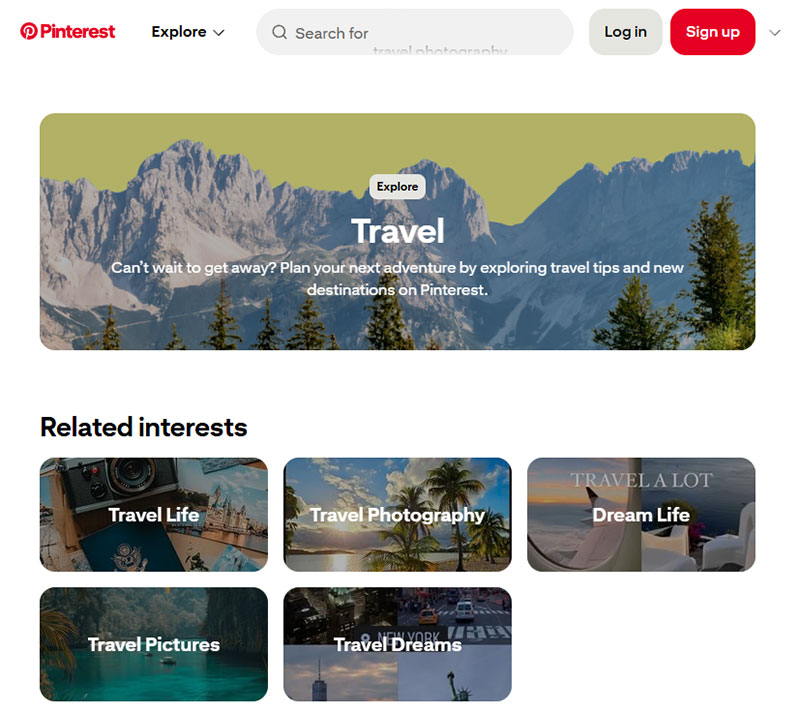
Meta and Pinterest catch demand before a search ever happens.
Pinterest users plan trips months out, saving ideas well ahead of booking. Meta’s cheap travel clicks make it efficient for filling the top of the funnel, then search and retargeting convert that interest later.
How Do Travel Companies Qualify and Score Leads?
Travel companies qualify leads by scoring them on budget, travel dates, group size, and destination certainty, then routing the hottest inquiries to sales first. The goal is simple: spend rep time on people ready to book, not browsers.
The stakes are high because reps waste so much time already. Salesforce’s State of Sales research has repeatedly found sellers spend roughly 70% of their time on tasks other than selling. Scoring cuts that drag.
Qualification Signals That Matter
A travel lead earns its score on a handful of concrete signals.
- Budget indicated or price range selected
- Travel dates set, not “sometime next year”
- Group size and traveler count
- A single destination locked versus multiple options
Nearly three in five travelers have no destination in mind or are weighing several when they start planning. A locked destination is one of the strongest buying signals you can capture.
How Lead Scoring Works in Practice
Score: intent, measured by behavior like quote requests and email opens.
Grade: fit, measured against your ideal traveler profile.
CRMs like HubSpot, Salesforce, and Zoho CRM automate both by assigning points to demographic and behavioral data. A lead who opened three emails and requested a quote outranks one who skimmed a blog post.
The payoff is operational rather than magical: scoring routes finite rep hours toward the inquiries most likely to close, and stops your best salesperson working an inbox alphabetically.
Why Response Speed Beats Everything
A perfectly scored lead means nothing if you answer slowly.
The MIT Sloan and InsideSales research found that calling a lead at 5 minutes versus 30 minutes made teams 100x more likely to connect and 21x more likely to qualify. The Harvard Business Review audit that followed, covering 2,241 US firms, found an average first response of 42 hours, only 37% of firms responding within an hour, and 23% never responding at all. Firms replying within an hour were about 7x more likely to qualify the lead than those waiting an hour longer.
Travel inquiries go cold fast because the same person is messaging three competitors.
The bar is low enough to clear. When Drift secret-shopped 433 companies, only 7% responded within five minutes and more than half hadn’t responded after five business days. Paid-for leads simply going unanswered is not an industry-specific problem, and it’s the cheapest one on this list to fix.
Which Tools and CRMs Support Travel Lead Generation?
Travel companies run lead generation on a stack of CRMs, booking tools, email platforms, and chat apps that feed one pipeline. The core job is connecting capture, qualification, and nurture so no inquiry falls through a crack.
| Tool Type | Popular Examples | Primary Job |
|---|---|---|
| CRM | HubSpot, Salesforce, Zoho CRM | Store, organize, score, and manage leads throughout the sales pipeline |
| Email Automation | Klaviyo, Mailchimp, ActiveCampaign | Automate email campaigns, nurture leads, and personalize customer journeys |
| Chat & Messaging | Intercom, WhatsApp Business | Capture real-time inquiries, qualify leads, and provide instant customer support |
| Analytics | Google Analytics 4 (GA4) | Track traffic sources, user behavior, conversions, and marketing funnels |
CRMs Built for the Travel Pipeline
HubSpot and Salesforce dominate, with Zoho CRM popular among smaller agencies.
Each tags leads with travel-specific fields: destination, dates, budget, party size. That structure is what makes scoring and segmentation possible later.
Salesforce Einstein and HubSpot’s predictive scoring add AI qualification, ranking inbound leads by conversion likelihood before a rep ever looks. Both sit on higher-tier plans.
Capture and Messaging Tools
Website forms: the front door for quote requests and inquiries.
Chat and chatbots: Intercom and similar tools catch mid-decision visitors.
WhatsApp Business: the default for international and luxury travel conversations.
These feed the CRM directly. A WhatsApp inquiry or a completed form should land as a scored contact without manual copy-paste, which is where most small operators lose leads.
How the Stack Connects
One pipeline beats a pile of disconnected apps.
Google Analytics 4 tracks which source drove the lead, the CRM holds and scores it, and the email platform nurtures it. When these sync, you can trace a booking back to the Instagram ad that started it. First-party data is where the industry is heading, particularly as third-party tracking degrades and AI-driven search reshapes discovery.
How Does Email and Nurture Marketing Convert Travel Leads?
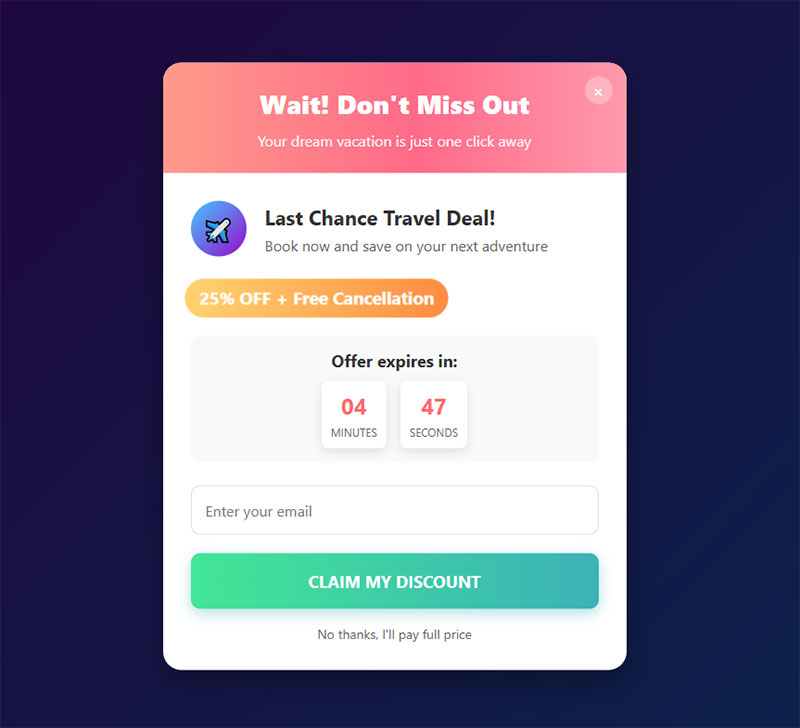
Email converts travel leads by staying in front of them across the 71-day decision window with timed, segmented messages: inspiration first, planning help next, an offer as booking nears. It carries the middle of the funnel where most leads sit.
The channel earns its keep. Litmus’s State of Email research puts average email ROI at $36 for every $1 spent, the highest in digital marketing.
Sequences That Move Leads Forward
Different flows do different jobs across the journey.
- Welcome and inspiration: sent right after signup, while interest is hot
- Abandoned-quote recovery: re-engages people who started but didn’t finish, and pairs well with exit-intent forms that catch them before they leave
- Seasonal re-engagement: wakes up dormant leads before peak booking windows
Automated flows punch above their weight. Omnisend’s ecommerce data shows automated emails generating about 37% of email revenue from roughly 2% of send volume, yet most travel operators still rely on manual batch sends.
Recovering Abandoned Bookings
Travel has one of the worst abandonment problems anywhere, with estimates clustering between 81% and 85% of started bookings and mobile running worse than desktop.
Recovery works because those people already showed intent. Abandoned-booking emails typically win back somewhere in the 8% to 15% range, and layering retargeting, SMS, and phone outreach for high-value bookings pushes the total higher.
Speed matters here too: the sooner the recovery message goes out after abandonment, the better it performs, which is the same decay curve that governs inquiry response.
Segmentation and Repeat Guests
Generic blasts underperform. Segmenting by destination interest and budget sends the right trip to the right lead.
A contact who downloaded a Japan itinerary gets Japan offers, not a blanket newsletter. Past guests are the cheapest revenue you have, since reactivating them skips the acquisition cost entirely.
How Do Travel Companies Measure Lead Generation Performance?
Travel companies measure lead generation through cost per lead, lead-to-booking rate, cost per acquisition, and customer lifetime value, tracked across a long multi-device journey. Attribution is the hard part because the path from first click to booking spans weeks and several channels.
The journey is genuinely messy. A traveler might find you on Instagram, research on Google three weeks later, compare against an OTA, then book after a retargeting ad.
The Core Metrics
Four numbers tell you whether lead generation is working.
| Metric | What It Answers |
|---|---|
| Cost per Lead (CPL) | How much it costs, on average, to generate one inquiry or lead |
| Lead-to-Booking Rate | What percentage of leads become confirmed bookings or trips |
| Cost per Acquisition (CPA) | The total marketing and sales cost required to secure one confirmed booking |
| Customer Lifetime Value (LTV) | The total revenue a customer is expected to generate through repeat bookings over time |
A CPL benchmark is useful only when you weigh it against lifetime value. A $90 lead is cheap for a $12,000 itinerary and ruinous for a $60 walking tour.
Why Attribution Breaks in Travel
Multi-device, multi-week journeys defeat simple tracking.
Phone bookings make it worse. A meaningful share of travel bookings still close by phone, especially in luxury and group travel, and without call tracking those conversions stay invisible to your analytics. That gap makes paid channels look worse than they are and can lead you to cut spend that was actually working.
The fix is connecting sources before you scale spend. First-party tracking ties the Instagram touch, the search click, and the final booking to one traveler, and tracking form submissions in Google Analytics is the baseline step most operators skip.
Calculating ROI on High-Ticket Trips
Low frequency, high value changes the math.
A traveler might book once every two years, so a single low conversion rate can still be profitable when the trip is worth thousands. Run the calculation on your own account data rather than an industry ROAS average, because the spread between a $200 day tour and a $20,000 expedition makes any blended figure close to meaningless.
What Are the Biggest Lead Generation Challenges for Travel Companies?
The biggest challenges are OTA competition stealing direct leads, seasonal demand swings, long non-linear buying journeys, and economic sensitivity. Together they make travel lead generation harder and less predictable than most other sectors.
The OTA squeeze is measurable. Arival’s Global Operator Landscape study, based on more than 5,000 operator responses, found OTAs captured 37% of tour and activity bookings in 2025, up from 33% in 2024 and 28% in 2023, while bookings through operators’ own websites fell from 29% to 25%.
Competing With OTAs and Aggregators
OTAs outspend everyone and bid on your own brand name.
The four largest online travel players, Airbnb, Booking Holdings, Expedia Group, and Trip.com Group, invested a combined $17.8 billion in sales and marketing in 2024 and passed $20 billion in 2025, with Booking and Expedia alone accounting for more than three quarters of that. Booking Holdings spent $8.2 billion in 2025 and Expedia almost $7.4 billion. That’s a budget independents cannot match. Marketplace commissions in tours and activities typically run 20% to 30% once paid placement and per-product fees are counted, which is exactly why building a direct lead channel matters.
Guest data is the other cost. OTA bookings hand you the sale but keep the customer relationship, leaving you nothing to remarket to.
Seasonality and Demand Shocks
Peak-season bidding wars: CPCs spike in Q4 as competition floods the auction.
Off-season droughts: lead volume can crater between booking cycles.
External shocks: economic dips and geopolitical events hit travel demand faster than most industries.
Demand volatility means a lead generation plan that worked in spring can stall by autumn, forcing constant budget reallocation across seasons and destinations.
Long Journeys and Slow Response
The non-linear path creates two problems at once.
Attribution gaps hide what’s actually working, and slow inquiry response bleeds qualified leads. Given how many companies never reply to inbound inquiries at all, the operators who answer fastest win bookings the OTAs would otherwise take.
None of these challenges are new, but the OTA share shift makes owning the direct relationship more valuable every year.
FAQ on Lead Generation For Travel Companies
What counts as a lead for a travel company?
A travel lead is anyone who shows booking intent before buying. Quote requests, itinerary downloads, trip inquiries, and destination newsletter signups all qualify. The lead sits in your pipeline until the booking closes.
How long does a travel lead take to convert?
The average trip consideration window runs 71 days, split between a 33-day inspiration phase and a 38-day research and planning phase (Expedia Group Path to Purchase). High-ticket trips stretch longer, so leads need weeks of nurture before a booking decision lands.
Which channels generate the most travel leads?
Organic search, paid ads, and social platforms drive the most volume. In the 45 days before booking, travelers lean on OTAs (80%), search engines (61%), and social media (58%), while Instagram, TikTok, and Pinterest feed the inspiration stage with early-funnel demand.
What does a travel lead cost?
Cost per lead in travel typically runs $55 to $99 through Google Ads, against an all-industry average of $66.69, with travel CPCs around $2.14. Luxury leads cost more but convert at far higher value.
How fast should I respond to a travel inquiry?
Within five minutes where you can manage it. MIT and InsideSales research found teams contacting a lead at 5 minutes rather than 30 were 21x more likely to qualify it. Travel inquiries go cold quickly because prospects message competitors too.
What tools do travel companies use for lead generation?
Common stacks pair a CRM like HubSpot, Salesforce, or Zoho CRM with email automation (Klaviyo, Mailchimp), chat tools (Intercom, WhatsApp Business), and Google Analytics 4 for source tracking.
How do I capture leads on my travel website?
Use quote request forms, trip planners, and gated destination guides placed at high-intent moments. Trust badges like ATOL and ABTA lift form completion, and shorter booking forms reduce abandonment.
Does content marketing work for travel leads?
Yes. Travelers spend 303 minutes with content across 141 pages before booking (Expedia Group). Destination guides and “best time to visit” pages capture emails during that long research phase.
How do I recover abandoned bookings?
Trigger recovery emails fast, then layer retargeting and SMS. Travel booking abandonment runs roughly 81% to 85%, so even modest recovery rates represent real revenue.
Why is travel lead generation harder than other industries?
OTAs captured 37% of tour and activity bookings in 2025 while direct website bookings fell to 25% (Arival), and the largest OTAs spent over $20 billion on marketing in 2025. Long non-linear journeys, seasonality, and attribution gaps compound the problem.
Conclusion
Most of what separates the operators winning at lead generation for travel companies from the ones losing is unglamorous. They stay present across a long, winding buying journey while their competitors go quiet somewhere around week three.
Capture booking intent early, qualify it against budget and dates, nurture through email until the trip is booked. That’s the mechanism, and none of it is complicated.
Speed is the multiplier on all of it. A five-minute reply beats a five-hour one by a margin that should embarrass anyone still working from a shared inbox.
Owning the direct channel is the other half. Every booking you pull away from an OTA saves the commission and hands you the guest data to remarket against later, which is the part that compounds.
Match the channel mix to the destination, the season, and the traveler. Then measure lifetime value rather than cost per lead in isolation, because one of those numbers tells you whether the business works and the other only tells you what you spent.