








A new client doesn’t sign with an accounting firm because a landing page convinced them. They sign because someone they trust vouched for the firm, or because the firm showed…
Table of contents
Email marketing returns $36 for every $1 spent, according to Litmus, which is a strange number to actually sit with. None of that revenue shows up without a list to email in the first place, and lead magnets are how most of that list gets built: a free checklist, a template, a short tool, traded for a visitor’s email address.
Nearly every website running email marketing already has one live somewhere. Usually it went up years ago, in an afternoon, and nobody’s touched it since.
The gap between a lead magnet that actually fills an inbox and one that nobody bothers downloading isn’t a mystery. It comes down to a handful of specifics, and most sites get two or three of them wrong without ever realizing it.
What Is a Lead Magnet
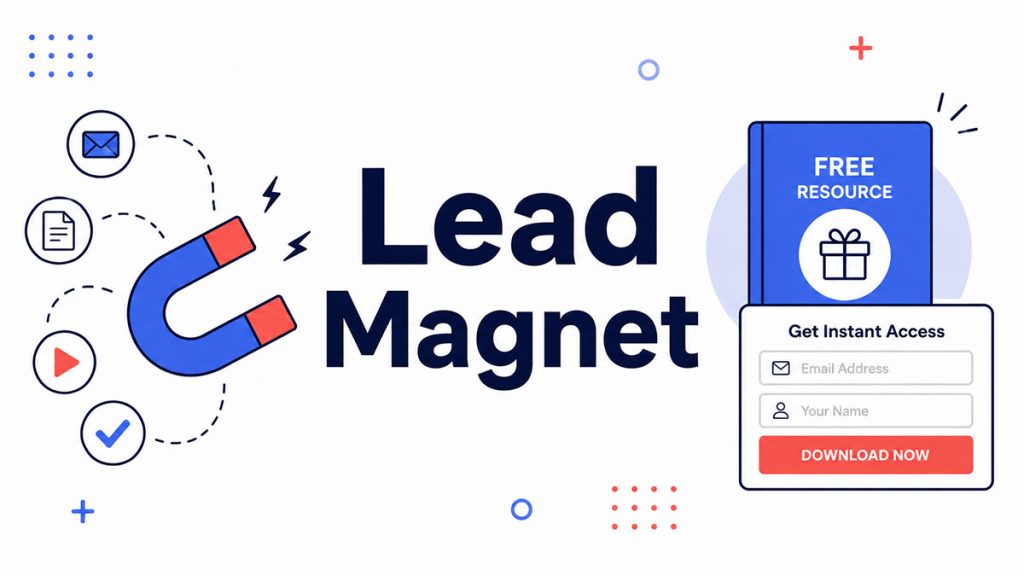
Trade something useful for an email address. That’s the entire mechanic, whether the thing being traded is a checklist, a template, a discount code, or a short tool. The visitor gets value right away, and the business gets a name and an inbox to follow up with later.
The idea didn’t start online, not by a long shot. Mail-order companies were running the same trade with free reports and product samples decades before anyone had heard of an opt-in form, building prospect lists through the actual mail. Digital marketing just moved that trade onto a landing page. A free report became a downloadable PDF. A sample became a discount code, or a short video released the second someone hits submit.
A blog post asks for nothing. Anyone can read it, no strings attached. A lead magnet is gated on purpose, built specifically to pull an email address out of someone who’d otherwise skim the page and leave, and that gate is really the only thing separating a plain free resource from something that builds a list.
HubSpot’s 2024 State of Marketing Report found 16% of B2B marketers name lead generation their single biggest goal for the year, ahead of brand awareness or site traffic. That explains why the format sticks around. Businesses need some repeatable way to turn anonymous visitors into subscribers, and gated content does that better than a plain newsletter box.
NetLine’s content consumption research recorded a 14.3% year-over-year rise in gated content demand in 2023. People are still willing to trade an email address, just not for anything generic anymore.
HubSpot itself runs one of the largest lead magnet libraries online (free templates, planners, and reports across dozens of topics), each one sitting behind a short opt-in form. Worth a look if you want a sense of scale.
How Does a Lead Magnet Work
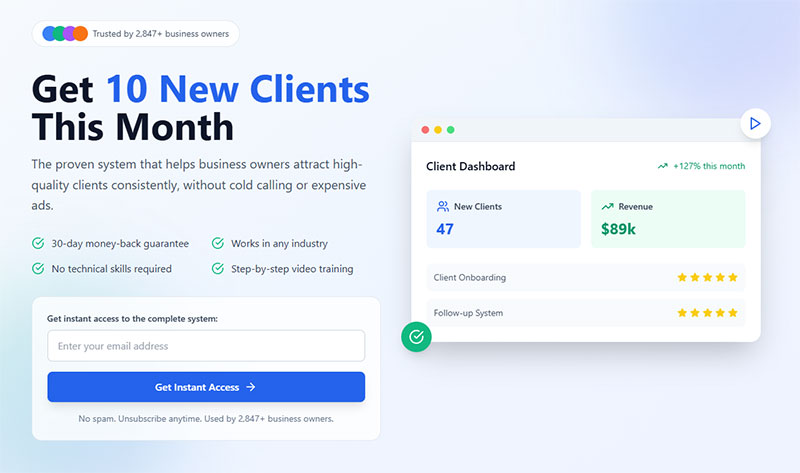
Break it down and there’s not much to it: an offer, a form to collect the email, and something automated that fires the second someone submits. Skip any one of those and the whole thing stops working. A great offer sitting behind a clunky form still loses people who wanted it.
The Value Exchange Process
Most setups follow the same rough path. A visitor lands on a page describing the offer, fills in a short form (usually just a name and email), and an automated message delivers the resource within seconds. From there the new contact lands on an email list for whatever comes next.
Unbounce’s Q4 2024 benchmark report, built from 41,000 landing pages, found the median page converts at 6.6%.
This isn’t the same tool as a general inquiry form, even though the two look similar on the page. See how lead generation forms compare to standard contact forms for the practical difference.
Funnel Stage Placement
Most lead magnets sit at the top of the funnel, the awareness stage, aimed at a visitor who doesn’t know the brand yet. Some sit lower down. A detailed case study or a comparison guide works better mid-funnel, pointed at someone already weighing options between a few vendors.
Once captured, the lead usually drops into a nurture sequence inside a CRM or email platform like Mailchimp, ActiveCampaign, or HubSpot. Email traffic converts noticeably better than paid traffic at this stage too. Unbounce’s same Q4 2024 data put email-driven landing page visits at 19.3%, compared with 10.9% for paid search.
Drip, the ecommerce platform, automatically tags a new subscriber the moment they redeem a discount-code lead magnet. That triggers a welcome sequence before anyone on the team has even looked at the account.
Worth checking how this fits the bigger picture. A lead generation funnel maps out every stage a contact moves through after opting in.
What Types of Lead Magnets Exist
Most businesses cycle through the same handful of formats: checklists, ebooks and guides, templates, webinars, and interactive tools like quizzes or calculators. A checklist basically says “here’s exactly what to do.” A webinar says “watch me do it.” Different promise, different level of commitment from the person opting in.
| Type | Format | Best Funnel Stage |
|---|---|---|
| Checklist | One-page PDF | Top of funnel |
| Ebook or guide | Multi-page PDF | Top to mid funnel |
| Template | Doc, sheet, or Notion file | Mid funnel |
| Webinar | Live or recorded video | Mid to bottom funnel |
| Calculator or quiz | Interactive tool | Top to mid funnel |
Checklists and cheat sheets earn their keep by being fast. Someone can act on a one-pager in the time it takes to finish a coffee, and that low effort is exactly what gets people to opt in.
Ebooks and whitepapers go deeper. B2B buyers still expect them for anything involving a long research cycle before a purchase decision gets made.
Templates and swipe files save the reader time on something they’d otherwise build from scratch, a spreadsheet, a script, a design file, whatever fits the specific problem.
Webinars pull more weight than people expect. ON24’s 2024 data across millions of tracked events found 57% of B2B registrants convert into attendees, with 56% joining live and 45% catching the recording.
For a deeper breakdown by format, types of lead magnets covers variations within each category.
Free tools, calculators, and quizzes tend to beat static downloads on raw opt-in rate, sometimes by a wide margin. Quiz platform Interact reports a start-to-lead rate above 40% across its user base, well above what a static PDF typically pulls in.
Ahrefs runs this exact model with its free backlink checker. It requires an account to unlock full results, which quietly turns curious researchers into leads for the paid platform without ever really feeling like a sales pitch.
Want more format ideas before picking one? Browse a running list of lead magnet ideas across industries.
What Makes a Lead Magnet Effective
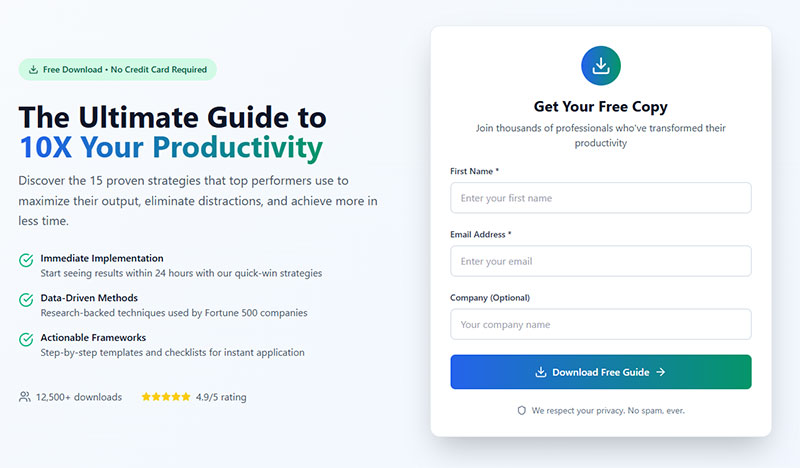
Specificity beats scope almost every time. A narrow lead magnet aimed at one problem converts better than a broad one trying to help everybody, and that holds true across pretty much every format above.
The traits that show up across the high performers aren’t complicated. Solve one narrow problem instead of trying to cover a broad topic, and deliver the value immediately, with no waiting period between opting in and actually getting something useful. The offer should also tie directly to whatever gets sold afterward, since that’s usually where these things quietly fall apart. And it needs to match whatever format the specific audience actually prefers, which sounds obvious on paper and still gets skipped constantly in practice.
That last point matters more than most people assume. B2B audiences still lean toward templates and data-backed reports. Consumer audiences respond better to quizzes and discount codes, for what it’s worth.
Demand Gen Report’s Content Preferences Survey found 51% of B2B buyers say content backed by data and research is what makes it memorable enough to trigger a sales call, just ahead of a strong story that resonates with the buying committee (49%).
SEMrush applies this well with its free SEO toolkit. The tool stays narrow (site audits, keyword checks), it’s useful right away, and it ties directly to the paid product it previews, so the leads it generates already have a sense of what they’re signing up for.
Alignment is where most lead magnets actually fail, not creativity. A polished ebook that has nothing to do with what you sell still produces leads, technically. They just were never going to buy anything.
HubSpot’s 2026 State of Marketing Report found 30% of marketers still name lead generation one of their top challenges. Most teams haven’t solved this, in other words.
Form length plays a quiet role too. Ask for five fields and watch conversion drop compared with asking for just an email address, a pattern covered in more depth under sign up form best practices.
The call to action matters almost as much as the offer itself. A vague button labeled “Submit” converts worse than one that restates the benefit, and it’s worth testing against real call to action examples instead of guessing.
How Is a Lead Magnet Different From a Content Upgrade, Free Trial, or Freemium Model
These terms get used interchangeably online, but each one sits at a different point in the funnel and asks for something different from the visitor.
| Model | What’s Exchanged | Funnel Position |
|---|---|---|
| Lead magnet | Contact info for a standalone resource | Top of funnel |
| Content upgrade | Contact info for a post-specific bonus | Top of funnel |
| Free trial | Product access for a limited time | Bottom of funnel |
| Freemium | Ongoing access to a limited product tier | Product-led acquisition |
Lead Magnet vs Content Upgrade
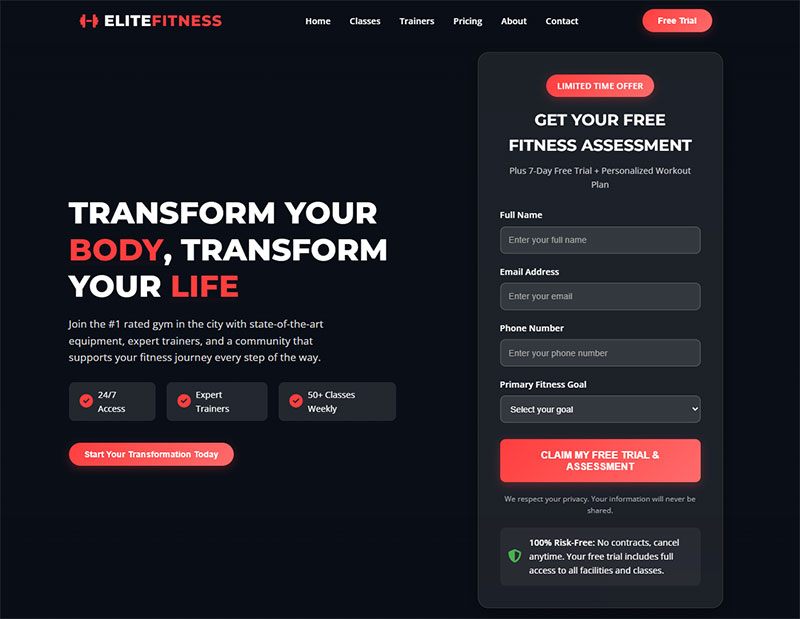
A content upgrade is a lead magnet’s narrower cousin. It’s tied to one specific blog post rather than offered site-wide.
Brian Dean’s Backlinko case study is the reference point most marketers still cite. Adding a checklist tied to one specific article lifted his conversion rate from 0.54% to 4.82%, a 785% jump.
That gap exists because the offer matches exactly what the reader is already doing. Someone reading about ranking factors wants the ranking factors checklist, not a generic newsletter.
Looking to build one? A running list of content upgrade ideas breaks down formats by content type.
Lead Magnet vs Free Trial
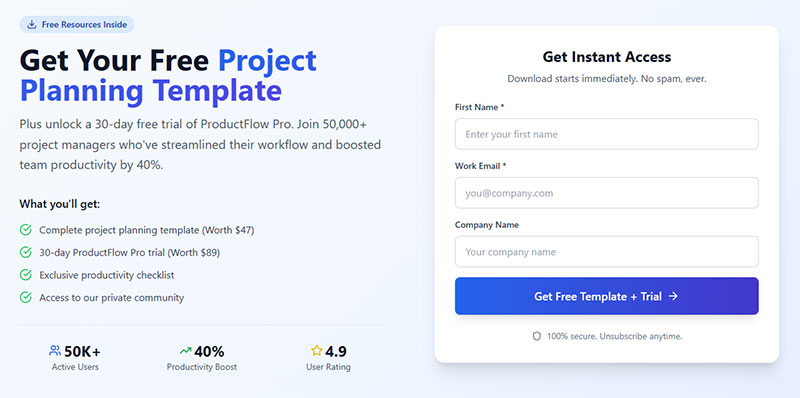
A free trial trades product access, not a PDF, and it sits much further down the funnel than a typical lead magnet. The visitor already needs a reason to believe the product solves their problem before they’ll bother signing up for one.
ChartMogul’s 2026 SaaS Conversion Report found free trials remain the dominant entry point, used by 57% of products surveyed, more than twice the rate of freemium.
Free trials also convert visitors at a lower rate than a simple opt-in, since the ask (time, sometimes a card number) is bigger. See free trial landing page examples for how that lower-funnel offer gets framed.
Lead Magnet vs Freemium Model
Freemium isn’t a lead magnet at all. It’s a permanently free product tier, not a one-time trade for an email address.
The two get confused because both are “free,” but freemium never asks the user to leave. A lead magnet’s whole purpose is capturing contact info and moving on.
ChartMogul’s same 2026 report puts the median free-to-paid conversion rate across trial and freemium products at 8%, a fraction of what a well-built opt-in offer achieves higher up the funnel.
Slack is the textbook freemium example: workspaces use the product free indefinitely, then upgrade once usage limits or team size push them toward a paid plan.
How to Create a Lead Magnet
Building one follows a short, repeatable sequence, not some elaborate production process. Here’s roughly how it goes:
- Pick one narrow pain point your existing audience already has
- Choose the format that fits that problem best: checklist, template, or short video
- Draft and design the asset using a tool like Canva, Google Docs, or Notion
- Build the opt-in form and automated delivery so the resource arrives instantly
Step one gets skipped constantly. People design the checklist before confirming anyone wants it, then wonder why nobody signs up.
Design doesn’t need to be fancy. A clean Google Doc converted to PDF does the job just as well as a heavily designed one, at least for a first version.
Delivery usually runs through an autoresponder rather than a person hitting send by hand, often redirecting to a short thank you page that confirms the download.
The last step is where most homemade lead magnets fall apart. A broken delivery email or a form that doesn’t fire kills trust before the relationship even starts. A full walkthrough sits in how to create a lead magnet, covering asset creation and delivery setup side by side.
If your audience is in the EU, the opt-in form itself needs to meet consent requirements before you collect a single email. Building GDPR compliant forms covers the consent language and data handling this requires.
Delivery is worth building once and reusing. Setting up lead capture forms that automatically trigger an email keeps the whole process hands-off after launch.
What Tools Are Used to Build and Deliver Lead Magnets
The tools involved break down by job, not by brand: you need something to design the asset, a way to host the offer, a system that delivers and nurtures the lead afterward, and finally something to actually capture the opt-in in the first place.
| Category | Purpose | Example Tools |
|---|---|---|
| Design | Build the lead magnet asset | Canva, Adobe Express |
| Landing pages | Host the opt-in offer | Unbounce, Leadpages, Instapage |
| Email and CRM | Deliver and nurture new leads | Mailchimp, ActiveCampaign, HubSpot |
| Forms and popups | Capture the opt-in itself | OptinMonster, WPForms, ConvertBox |
Design tools handle the actual asset. Canva and Adobe Express cover most checklists, ebooks, and social graphics without needing a designer on staff.
Landing page builders host the offer and the form together. Unbounce, Leadpages, and ClickFunnels are the three that come up most in this category.
Email and CRM platforms take over customer acquisition duties the moment a contact opts in, tagging the lead and firing the nurture sequence. Mailchimp, ConvertKit, ActiveCampaign, and Drip all handle this, with Salesforce and HubSpot covering the enterprise end.
On WordPress specifically, the form itself is usually the missing piece. Free WordPress form plugins can handle basic opt-ins without touching a line of code.
For anything gated behind multiple traffic sources or campaigns, dedicated WordPress lead generation plugins add tracking and segmentation that a plain form builder doesn’t.
Popups still pull their weight for exit-intent offers specifically. Tools built for that exact moment, like WordPress exit intent popup plugins, catch a visitor right before they leave the page.
Zapier sits quietly behind a lot of this, connecting a form submission to a CRM, a Slack notification, or a spreadsheet without anyone writing code.
For a fuller comparison across every category above, the best lead magnet tools breaks each option down by price and feature set.
How to Promote a Lead Magnet
A great lead magnet buried on a page nobody visits generates zero leads. Promotion decides whether the offer ever gets seen. Most of the traffic comes through a handful of predictable channels: what’s already on the page, paid and social reach, partner audiences, and organic search compounding over time.
| Channel | Tactic | Typical Use |
|---|---|---|
| On-site | Popups, embedded forms, sticky bars | Existing traffic |
| Paid and social | Facebook Ads, Google Ads | New audience reach |
| Partner | Guest posts, co-marketing | Borrowed audience |
| Organic search | SEO-optimized landing pages | Long-term compounding traffic |
On-site placement still converts the highest share of already-interested visitors. A popup form triggered at the right moment catches someone who’s already reading, not a cold stranger.
GetSiteControl’s 2024 analysis found email popups without any incentive converted at just 1.84% on desktop and 3.83% on mobile. Adding a lead magnet lifted those numbers to 4.7% and 7.73%.
Timing the offer around someone leaving works especially well. Exit-intent forms fire only when a visitor is about to leave, which avoids interrupting a session that might have converted anyway.
Sumo (now BDOW!) ran its own Shopify Marketing Vault as an exit-intent offer on blog posts. The popup was shown to 282,978 visitors and generated 4,153 new subscribers.
Paid distribution buys reach you don’t already have, at a real cost. WordStream’s 2025 benchmark report, built from over 16,000 tracked campaigns, put the average cost per lead at $70.11 on Google Ads versus $27.66 on Facebook Ads.
That gap is why many businesses treat search as the higher-intent channel and social as the cheaper reach channel, then split the budget accordingly.
Guest posts and partner swaps borrow an audience that already trusts someone else. A checklist mentioned inside a guest post on a partner’s site reaches people who’d never find your own domain otherwise.
None of this replaces organic search. A properly built landing page built around form best practices keeps generating leads long after a social post disappears from the feed.
Inbound channels like SEO and content tend to compound, while outbound channels like cold paid ads stop the moment spending stops. Weighing inbound against outbound lead generation is worth doing before committing a full promotion budget to either one.
What Are Examples of High-Performing Lead Magnets
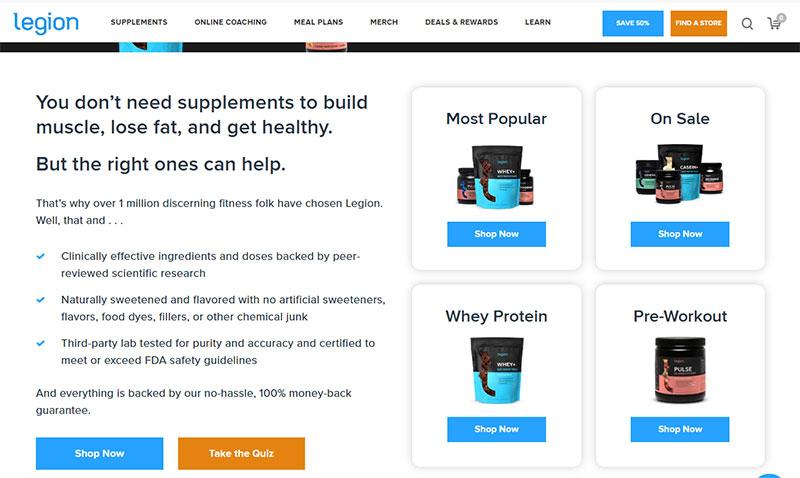
Real cases show the pattern better than any framework. Two things repeat across almost every high performer: narrow focus and instant usability.
Neil Patel’s NutritionSecrets.com replaced a generic newsletter signup with a personality-matched diet quiz, promoted through the site navigation, sidebar, and a scroll-triggered bar. According to a LeadQuizzes case study, that single change increased lead capture by 500% compared with the previous opt-in setup.
Betterpic’s free AI headshot generator takes a different angle entirely, giving the tool away completely instead of gating it behind an email. According to founder Ricardo’s presentation at a Founderpath event, it drives over 8,000 clicks a month and generated an extra $7,000 in upsell revenue in a single month, at close to zero cost per new user acquired.
CoSchedule’s Headline Analyzer follows the same free-tool logic. It’s been live for years and still pulls in backlinks and repeat visits from marketers checking a headline before publishing.
None of these three is a generic ebook, and that’s really the whole pattern. Each one does one specific job, immediately, for a visitor who was already defined narrowly before the thing got built.
Want to see the format in action across more industries? A collection of real lead generation form examples shows how the opt-in step itself gets designed around each offer.
For inspiration on the gated side specifically, browsing gated content examples is a faster way to spot patterns than starting from a blank page.
What Mistakes Reduce Lead Magnet Conversion Rates
Most underperforming lead magnets fail for the same handful of reasons, and creativity is rarely one of them.
| Mistake | Effect | Fix |
|---|---|---|
| Generic topic | Low perceived value | Narrow to one specific problem |
| Too many form fields | High abandonment | Ask for email only, upfront |
| Product mismatch | Unqualified leads | Tie offer to what you actually sell |
| Broken delivery | Lost trust immediately | Test the automated send regularly |
Asking for too much information upfront is the most common mistake and the easiest to fix. HubSpot’s analysis of over 40,000 landing pages found three-field forms converting above 25%, the best result in the study, with a sharp drop the moment a fourth field got added.
People will trade an email address without much thought. Ask for a phone number and job title on the same form, and a large share simply leave.
A mismatch between the offer and the product is quieter but more damaging long term. A polished design guide brings in leads who were never going to buy accounting software.
Those leads still cost money to nurture. Every email sent to someone who was never a real prospect is wasted effort on both sides.
Delivery failures are the most embarrassing mistake because they’re invisible until someone complains. Validity’s 2024 Email Deliverability Benchmark found roughly one in six marketing emails never reaches the inbox at all.
A broken autoresponder or a delivery email landing in spam kills the relationship before it starts. Reviewing form abandonment rate patterns on the opt-in step itself often surfaces the same friction points that hurt delivery downstream.
Testing the whole path regularly matters more than any single design tweak. A guide on how to increase form conversions covers the fixes for each of these in more depth.
How Is Lead Magnet Performance Measured
A handful of numbers actually tell you whether a lead magnet is working, as opposed to just looking good on a dashboard. Conversion rate shows what share of visitors turn into leads. Cost per lead is what each new contact actually costs, assuming paid promotion is even part of the mix.
How many of those leads eventually become paying customers is its own number, and it usually takes a lot longer to show up than the first two.
Email engagement, opens and clicks after the opt-in, tells you whether the relationship is actually working once the free resource already landed in someone’s inbox.
Conversion rate is the easiest number to track and, on its own, the easiest to misread. A high number means nothing if none of those leads ever buy anything.
Cost per lead only matters once paid promotion enters the picture. Organic traffic and on-site placements don’t carry a direct dollar cost per lead the same way a paid campaign does.
First Page Sage’s benchmark data puts the average lead-to-MQL conversion rate at 31% across industries, a useful checkpoint before assuming every lead that comes in is sales-ready.
Email engagement after the opt-in shows whether the relationship is actually working. GetResponse’s 2023 global data found welcome emails averaging an 83.63% open rate and a 16.60% click-through rate, well above what regular newsletters typically pull.
A drop-off from that welcome-email baseline in later sends is usually the first sign a nurture sequence needs a rewrite.
Testing one variable at a time (headline, form length, or offer format) keeps the data readable. Change everything at once and there’s no way to know what actually moved the number.
Tracking this consistently across a funnel is easier with the right set of numbers defined upfront. A full list of lead generation KPIs to track covers the metrics worth watching beyond these four.
Not every meaningful action is a full conversion either. Scroll depth, video plays, or a return visit before opting in all count as micro conversions worth tracking on the way to the final one.
FAQ on Lead Magnets
Do Lead Magnets Still Work
Yes, though what works has shifted. Generic ebooks convert worse than they used to. Narrow tools, calculators, and quizzes still hold up well. The format itself isn’t outdated. What changed is how specific and immediately useful the offer needs to be to earn an email address.
Can a Lead Magnet Be a Physical Item
Usually not, since shipping breaks the instant delivery that makes lead magnets work in the first place. Some businesses do mail a physical sample or a swatch after opt-in, but that adds cost and delay that most digital formats simply avoid.
How Long Should a Lead Magnet Take to Use
Minutes, not hours. A checklist or template should be usable in under ten minutes. Longer formats like ebooks or webinars can run further, but the value still needs to show up fast, or the visitor just closes the tab.
Is a Lead Magnet the Same as a Freebie
Not exactly. A freebie is casual shorthand for anything given away free, no strategy required. A lead magnet is built specifically to capture an email address in return. Every lead magnet counts as a freebie. Not every freebie is a lead magnet.
Do You Need a Website to Offer a Lead Magnet
A landing page helps, but it isn’t strictly required. Some businesses deliver lead magnets through a social bio link or a direct message automation instead. A dedicated page still converts better, mostly because it removes distractions and keeps the whole thing focused on one offer.
Can a Business Run More Than One Lead Magnet at Once
Yes, and most growing businesses end up doing exactly that. Different pages attract different visitors, so a checklist might sit on one blog post while a webinar gets promoted somewhere else entirely. Running several at once just lets each offer match the page it’s actually sitting on.
How Often Should a Lead Magnet Be Updated
Every six to twelve months for anything with dates, statistics, or screenshots in it. An outdated comparison or a broken template damages trust fast. Evergreen formats built around timeless steps need far less maintenance, though skipping updates entirely will still quietly drain conversion rate over time.
Should a Lead Magnet Ever Expire
Rarely by design, but performance fades on its own regardless. A lead magnet that converted well a year ago can quietly stop working as an audience’s problems shift underneath it. Retiring or replacing something that’s underperforming usually beats trying to revive an offer that’s lost its relevance.
Do Lead Magnets Work for Local Businesses
Yes, even without anything sold online. A checklist on preparing a home for sale, or a seasonal maintenance guide, gives a local business roughly the same email capture power an ebook gives an online brand. Relevance matters more than industry here.
Can a Low-Quality Lead Magnet Hurt a Brand
Yes. A thin, outdated, or poorly designed resource reflects directly on the business behind it. First impressions form fast, and a disappointing free resource can cost a lead’s trust before a single sales conversation even happens.
Conclusion
Knowing what a lead magnet is doesn’t get you a bigger list by itself. The businesses that actually grow one tend to build the delivery mechanism first, the form, the automated email, the thank you page, and only then sit down to design the actual checklist or guide.
That order feels backwards to a lot of people. It isn’t. A great asset behind a broken form still gets you nothing, while a mediocre asset behind a form that works reliably at least gets you emails on a list you can improve later.
The first version will probably underperform, and that’s fine. Treat it as a draft, not a finished product, and rebuild it once real opt-ins tell you which problem people actually wanted solved.
One lead magnet built around one narrow audience beats five generic ones splitting the same traffic. Get that part right before adding a second offer to the mix.
When you do test something, change one variable at a time, the headline, the format, or the form length, and leave everything else alone. It’s slower. It also actually tells you what worked.