







A new client doesn’t sign with an accounting firm because a landing page convinced them. They sign because someone they trust vouched for the firm, or because the firm showed…
Table of contents
Most paid traffic ends up on a homepage, mainly because that’s the URL everybody already has memorized.
It’s the wrong destination. Point a $10,000 ad campaign at your homepage and watch most of that money evaporate while visitors browse the blog, read the About page, and leave.
The homepage vs landing page choice looks like a design detail. It’s a conversion decision, and it shapes every dollar you spend on traffic you paid for.
A homepage serves many goals with full navigation. A landing page serves one goal with a single call to action, and the median landing page converts at 6.6% while most homepages sit in the low single digits.
What Is a Homepage?
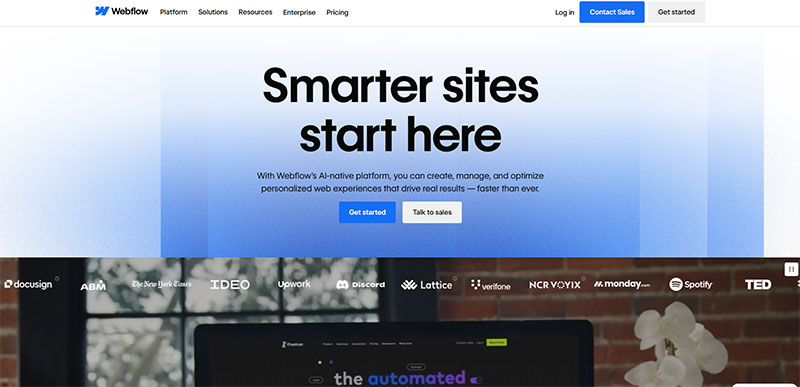
It’s the page that has to work for everyone. Main entry point of the site, full navigation menu, several routes out, no single destination it’s pushing you toward.
Think of a homepage as the front door plus the lobby directory. People land there and pick where to go next.
Plenty gets stacked onto it:
- Brand introduction and first impression
- Navigation to product pages, blog, about, contact
- Trust building through logos and social proof
- Support and login routes for existing customers
Because that one layout answers to browsers, buyers, job seekers, and returning customers, no single call to action gets full attention. That isn’t a flaw in the design. It’s the assignment.
Look at Nike or Shopify. Big top nav, several content blocks, a footer packed with links. Every element competes for the click.
What Is a Landing Page?
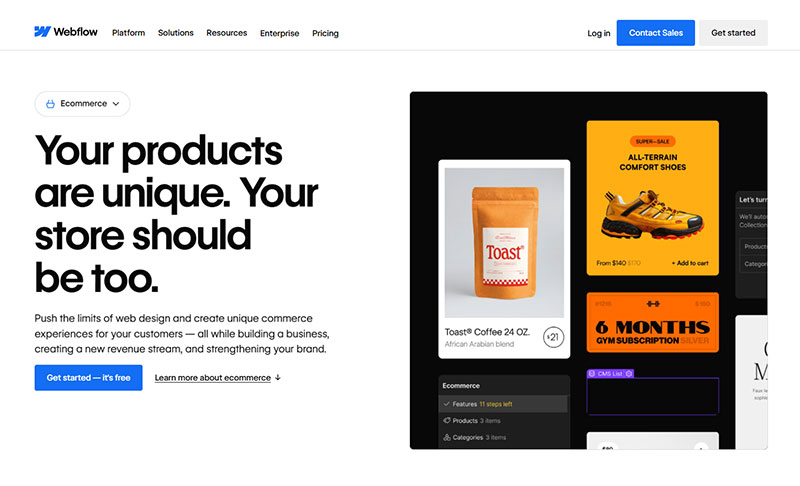
One campaign, one page, one thing to click. Standalone, mostly navigation-free, built to match a specific ad or email and push the visitor toward a single conversion.
The whole design exists to reduce distraction.
Unbounce’s Q4 2024 Conversion Benchmark Report, covering 41,000 landing pages, 464 million visitors, and 57 million conversions, puts the median dedicated landing page conversion rate at 6.6%, with top performers clearing 10%.
Traffic usually comes from paid ads, email campaigns, and social, not organic browsing. You build these in tools like Unbounce, Instapage, or Leadpages, and most stay outside the main site navigation entirely.
They split into two shapes depending on whether the conversion happens on the page or one step later.
Lead-Generation Landing Pages
The form is the conversion event. Webinar signups, gated ebooks, demo requests. Fill it in and you’ve converted.
Keep it short. Omnisend’s signup data shows most landing page forms ask for a single field, usually an email address, and conversion rates fall off noticeably once you push past three.
Click-Through Landing Pages
No form here. One button, one destination.
These warm the visitor up, then send them to checkout, a pricing page, or a free trial start. Common in ecommerce and SaaS flows, where the real form lives at the next step anyway.
The page pre-sells the offer so clicking through feels like the obvious move rather than a commitment.
What Are the Main Differences Between a Homepage and a Landing Page?
Focus separates them, and everything else follows from that split. One page serves many goals with full navigation for a broad audience. The other narrows to a single goal, strips the navigation, and speaks to whoever clicked one specific campaign.
| Dimension | Homepage | Landing Page |
|---|---|---|
| Primary Goal | Serves multiple goals and audiences | Focuses on one specific conversion goal |
| Navigation | Full website navigation and links | Minimal or no navigation to reduce distractions |
| Audience | Broad audience with mixed intent | A specific audience from a campaign or traffic source |
| Lifespan | Long-term, permanent website page | Often temporary or tied to a marketing campaign |
| Calls to Action (CTAs) | Multiple CTAs for different user journeys | A single, focused CTA designed to maximize conversions |
That last row carries real weight. Unbounce’s analysis of 18,639 landing pages found pages with a single link or CTA convert at 13.5%, pages with two to four links drop to 11.9%, and pages with five or more fall to 10.5%.
A homepage sits at the crowded end of that scale by design. It cannot be a single-CTA page and still do its job.
Why Does a Landing Page Convert Better Than a Homepage?
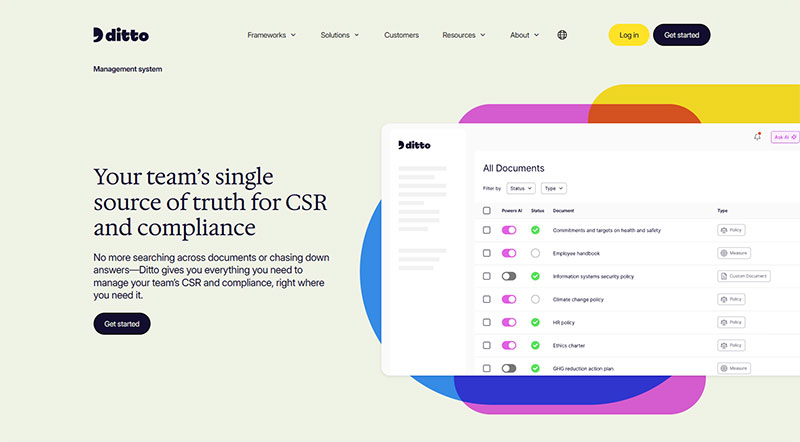
Competing choices get removed, and one message meets one audience. Against the 6.6% landing page median, a typical homepage taking the same paid traffic converts in the low single digits, and that gap turns into wasted ad budget quickly.
Message match does a lot of the work. The ad headline and the page headline say the same thing, so nobody has to reconcile what they clicked with what they got.
Then there’s the question of exit links. In a VWO case study, the kitchenware retailer Yuppiechef tested its wedding registry page with and without the navigation menu. Removing it lifted registrations from 3% to 6%.
A homepage splits attention across browsing, brand, and support, so no single action gets a clean run at anybody.
Instapage ran a branded search test sending “Instapage” ad clicks to either its homepage or a dedicated landing page. The dedicated page pulled nearly 3x the conversion rate and cost about a third less per conversion.
Attention works against the homepage too. Research by Gloria Mark at UC Irvine found average attention on a single screen has fallen to roughly 47 seconds before people switch away, and a busy homepage burns that budget before the visitor finds the action.
If you’re testing an offer, this is also why you’d want a proper landing page form built for conversion rather than a general homepage form buried under other content.
How Do Traffic Sources Differ for a Homepage Versus a Landing Page?
Homepages pull organic, branded, and direct traffic. Landing pages pull campaign traffic from paid ads, email, and social. The source shapes what each page is built to do.
| Page | Main Traffic Sources | Typical Visitor Intent |
|---|---|---|
| Homepage | Branded search, direct traffic, organic search, referrals | Discover the brand, explore products or services, and browse the website |
| Landing Page | Paid ads, email campaigns, social media, affiliate campaigns | Complete one specific action, such as signing up, downloading a resource, or making a purchase |
Email is the standout channel. Visitors arriving via email convert at an average of 19.3% on landing pages, the highest of any source in Unbounce’s benchmark data, roughly three times the all-industry median. Makes sense, since those people already opted in once.
The homepage earns its keep in organic search. It ranks for brand terms and acts as the anchor for direct type-ins, which is why you rarely point cold paid clicks at it.
Landing pages usually stay off the main crawl path, tied to a single campaign rather than the site’s evergreen structure.
How Does Design and Structure Differ Between the Two?
The layout mirrors the number of goals. A homepage spreads content across a header nav with dropdowns, a hero, several content blocks with internal links running through them, and a full footer sitemap with legal pages tucked at the bottom.
A landing page collapses all of that:
- Single focused hero with the offer
- One primary button, repeated as you scroll
- Stripped footer, few or no exit routes
Above the fold, priorities split. A homepage leads with brand, while a landing page leads with the offer and the action right next to it.
Mobile matters more on the landing side. Roughly 83% of landing page visits happen on mobile devices, so a layout that breaks on a phone burns paid clicks directly. Good mobile form design habits protect that spend.
Page speed hits both, harder on paid landing pages. Akamai and Aberdeen’s widely cited work put the cost of a one-second delay at roughly 7% of conversions. Slow load equals wasted ad money.
When Should You Use a Homepage Instead of a Landing Page?
Intent decides it. Discovery, browsing, and brand education belong on the homepage. A specific campaign with one measurable action belongs on a landing page. Sending paid traffic to a homepage wastes budget because the conversion path gets diluted before anyone reaches it.
The homepage is the right call when someone searches your brand name directly, when visitors want to poke around your products or figure out who you are, and when you need one hub connecting the whole site.
Build a landing page instead when:
- You’re running Google Ads or Meta Ads to a specific offer
- You send an email campaign around one promotion
- You want clean data for an A/B test
A SaaS free-trial ad is the clearest case. Point that click at a dedicated trial page and the single CTA does the work without competing against a pricing tab and a careers link.
The cost angle is blunt. Run the math on your own spend. At $10,000 a month in ads, the difference between a low-single-digit homepage conversion rate and the 6.6% landing page median is thousands of dollars in acquisition every month, month after month.
How Do a Homepage and Landing Pages Work Together?
They’re parts of one funnel rather than competitors. The homepage handles organic and brand discovery at the top. Landing pages catch campaign traffic and drive conversions. Each covers a stage the other cannot.
Picture the flow. Someone sees an ad, hits a focused landing page, converts, then comes back weeks later through the homepage to explore more.
| Funnel Stage | Primary Page | What Happens |
|---|---|---|
| Discovery | Homepage | Visitors discover the brand, browse offerings, and build initial trust |
| Conversion | Landing Page | Visitors focus on a single offer and complete one specific action (e.g., sign up, request a demo, or purchase) |
| Return Visit | Homepage | Returning visitors explore more content, products, or services and strengthen brand loyalty |
The two connect through internal linking where it makes sense, though a campaign landing page keeps those links tight so the primary action stays dominant.
Scaling the landing page side pays off. HubSpot’s Marketing Benchmarks report, based on 7,000 businesses, found companies that grew from 10 to 15 landing pages saw a 55% increase in leads, and companies running more than 40 pages generated many times the leads of those with fewer than five.
Targeting is the mechanism, not volume for its own sake. Each additional page lets you match one offer to one audience segment instead of forcing everyone through the same generic ask.
The homepage still does discovery work no single landing page can. It ranks for brand terms, absorbs direct traffic, and gives returning visitors one familiar hub.
What Are Common Mistakes When Building Homepages and Landing Pages?
Treating a homepage as a landing page causes more waste than everything else combined. Focused campaign traffic gets pointed at a page built for browsing, and the money goes with it.
The rest cluster into a few patterns.
Sending Ad Clicks to the Homepage
Paid clicks expect the offer from the ad. A homepage makes them hunt for it.
What you get is message mismatch and a fast exit. Landing page bounce rates already run high, commonly in the 60 to 90% range, and a mismatched homepage pushes that higher still.
Leaving Full Navigation on a Landing Page
Every menu link is an escape route away from the one action you’re paying for.
Yet the large majority of landing pages still carry a full navigation bar. CXL’s analysis found only about 16% of landing pages go without one.
Removing it can move the number a long way. Career Point College stripped its top navigation and reworked the form layout, and conversions rose 336%. Yuppiechef’s simpler test, removing the nav alone, doubled registrations from 3% to 6%.
Cramming Multiple CTAs onto One Page
Competing buttons split attention and stall the decision.
- Single-link pages convert at 13.5%
- Two to four links drop to 11.9%
- Five or more links fall to 10.5%
One page, one job. Strong call to action wording keeps that single button doing the heavy lifting.
Turning the Homepage into a Single-Offer Page
The reverse mistake, and it happens more than you’d think during a big product launch. Stripping the homepage down to one promotion kills the discovery paths broad visitors rely on.
A homepage answers to browsers, brand searchers, and returning customers at once. Forcing one CTA onto it breaks navigation for everyone who didn’t come from that campaign.
Keep the homepage broad and build a separate landing page for the offer.
Ignoring Mobile on Landing Pages
Most paid traffic is mobile now. With roughly 83% of landing page visits arriving on phones, a broken mobile layout burns ad budget on contact.
Speed compounds it. Portent’s analysis found pages loading in one second convert around 3x higher than pages taking five seconds, and mobile visitors abandon slow pages fastest.
Solid landing page form examples show how to keep fields short and thumb-friendly on small screens.
FAQ on Homepage Vs Landing Page
What is the main difference between a homepage and a landing page?
A homepage serves many goals with full navigation for a broad audience. A landing page serves one campaign goal with a single call to action and stripped navigation. Focus is the core split.
Can a homepage be used as a landing page?
It can, but it converts poorly. A homepage has to serve browsers, brand searchers, and returning customers at once, so campaign traffic arrives at a page that answers everyone and nobody. Build a dedicated page instead.
Why does a landing page convert better than a homepage?
A landing page removes competing choices and matches one message to one audience. The median landing page converts at 6.6%, while homepages taking the same paid traffic typically sit in the low single digits.
Should I send Google Ads traffic to my homepage?
No. Paid clicks expect the exact offer from the ad. A dedicated landing page with message match pulls far more conversions, and one Instapage test showed nearly 3x the rate of a homepage at about a third less cost per conversion.
What are the two types of landing pages?
Lead-generation and click-through. Lead-generation pages capture details through a form. Click-through pages skip the form and push visitors toward checkout, pricing, or a free trial.
Should a landing page have navigation?
No. Every menu link is an escape route from the one action. Removing it has doubled conversions in published tests, and only around 16% of landing pages currently go without a navigation bar.
How many calls to action should a landing page have?
One. Unbounce’s analysis of 18,639 pages found single-link pages convert at 13.5%, two to four links at 11.9%, and five or more at 10.5%.
Where does landing page traffic come from?
Mostly paid ads, email, and social campaigns. Email is the top channel, converting at an average of 19.3% on landing pages, roughly three times the all-industry median.
How many landing pages should a business have?
More pages mean more targeted offers. HubSpot’s benchmark data across 7,000 businesses found companies going from 10 to 15 landing pages saw a 55% jump in leads, with the biggest gains above 40 pages.
Do homepages still matter for SEO?
Yes. The homepage ranks for brand terms, absorbs direct and organic traffic, and anchors the whole site. Landing pages usually stay off the main crawl path, tied to single campaigns.
Conclusion
The homepage vs landing page question is really about matching the page to the visitor’s intent.
One page welcomes browsers, brand searchers, and returning customers through a full navigation menu. The other locks onto a single conversion goal and clears everything else out of the way.
Keep the homepage broad for discovery and organic search. Build a dedicated landing page whenever you run a specific campaign with one measurable action.
Mix them up and your paid traffic bleeds into bounce rate. Use each correctly and they feed the same funnel from different ends.
Before your next ad campaign, ask one thing:
- Is this traffic here to explore, or to act?
That answer tells you which page to send them to.